Mycelial Studies
Home
Inoculation of Grain
(Blue Oyster, Elm Oyster and Wine Cap Fungi)
2 weeks
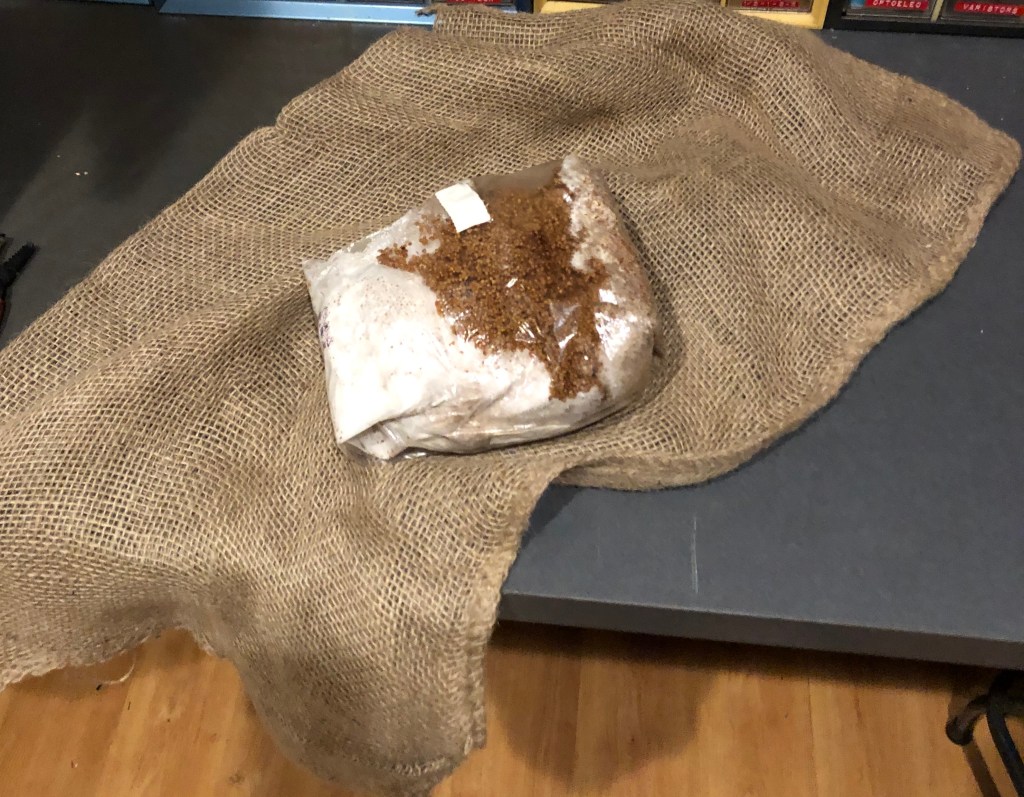
Fermentation of Hay
7 days
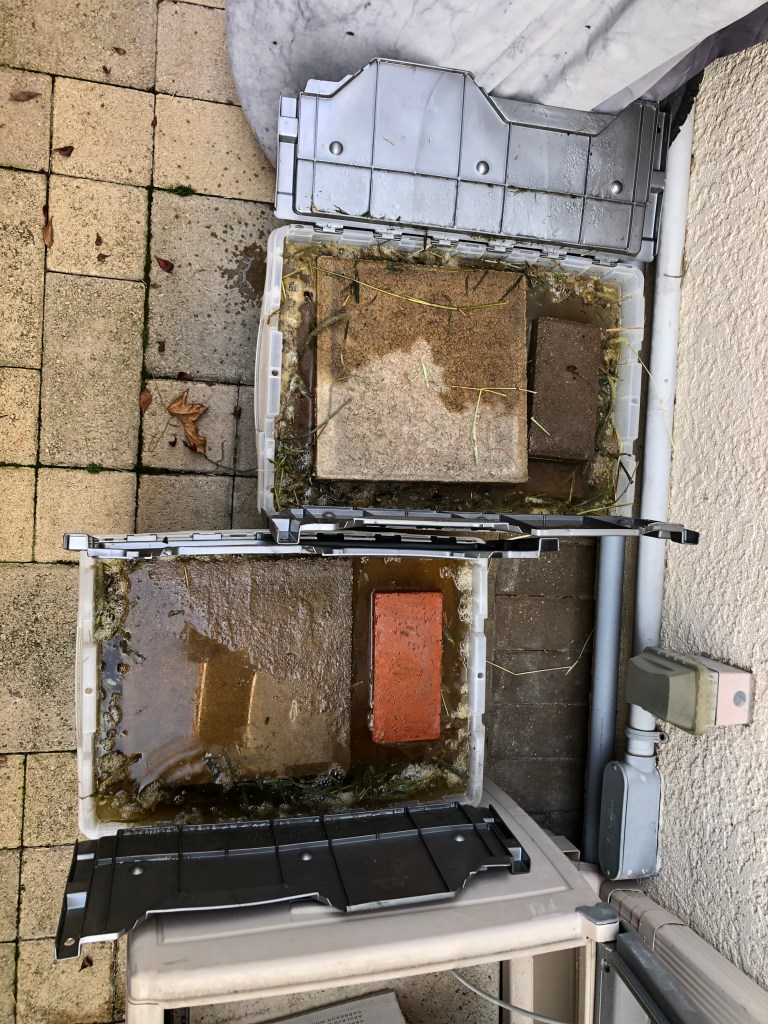
Mix Fermented Hay with Inoculated Grain in Burlap Sack
30 days

(un)tune
Visiting Artist Installation Project
February 2024
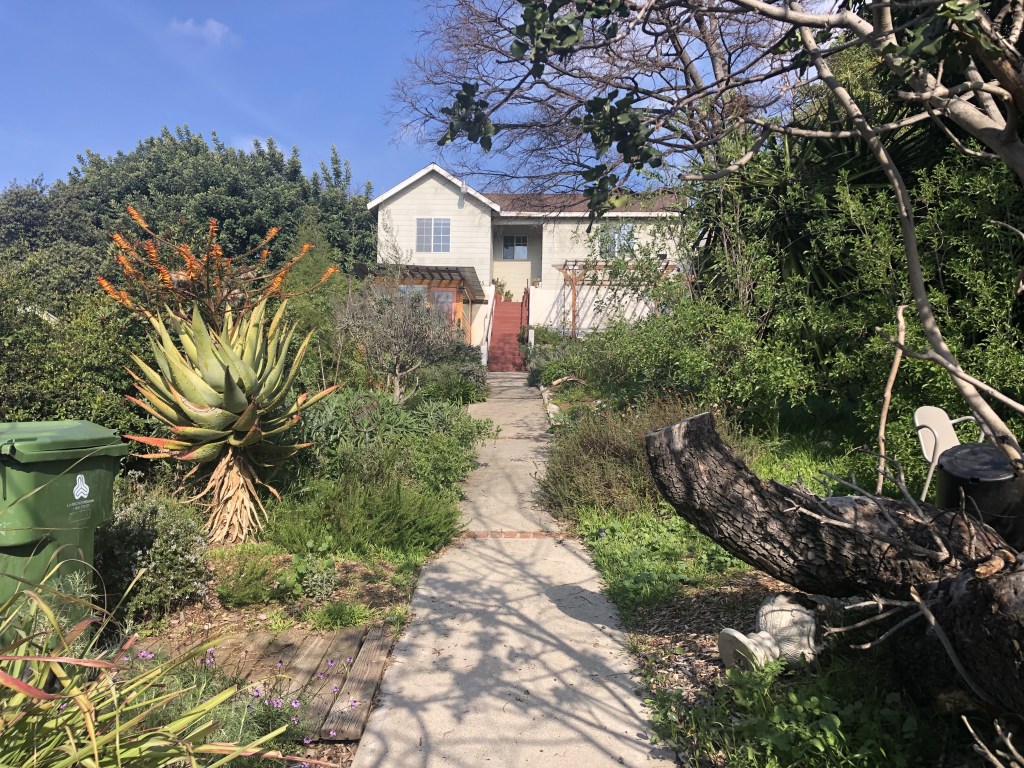
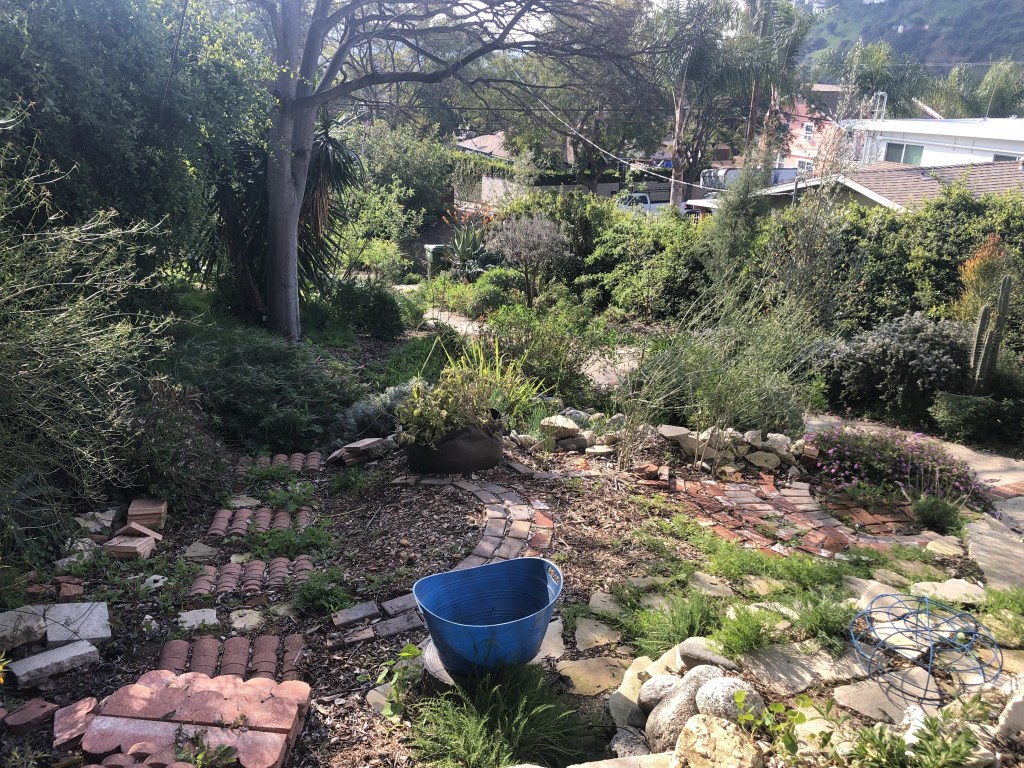
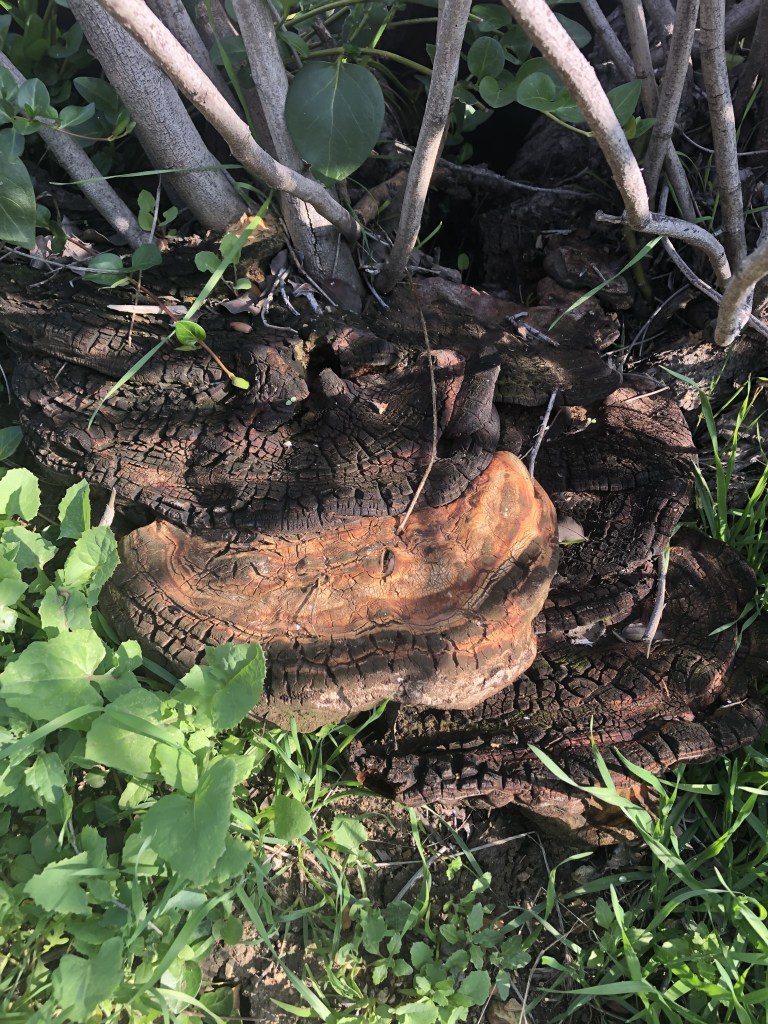
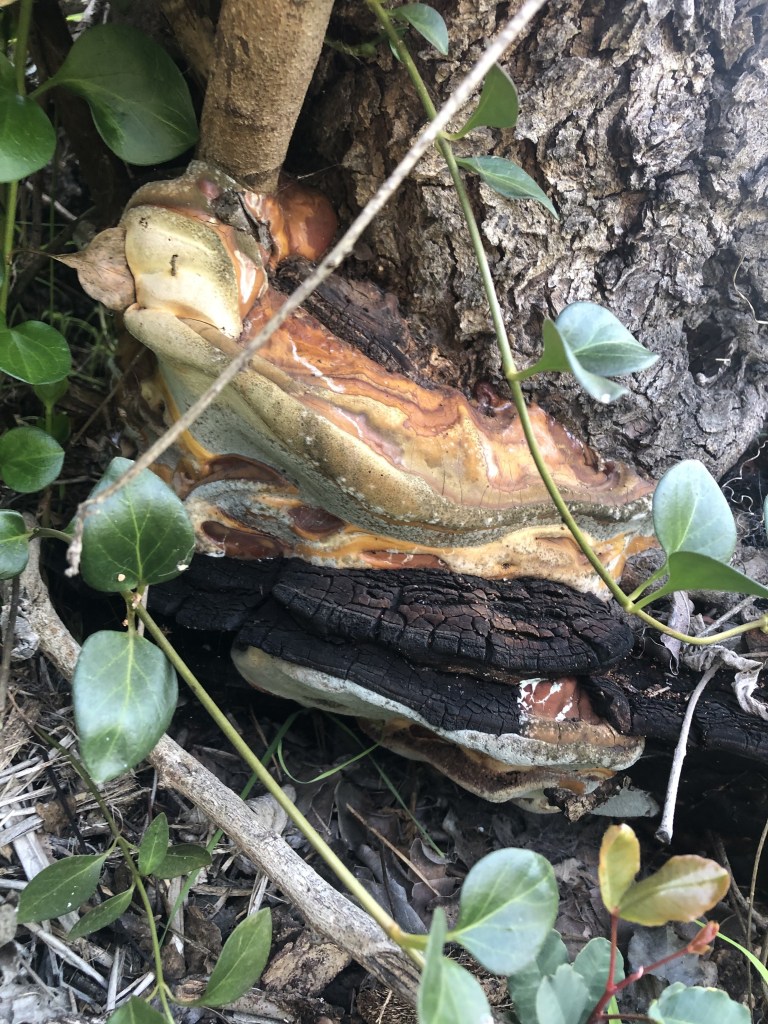

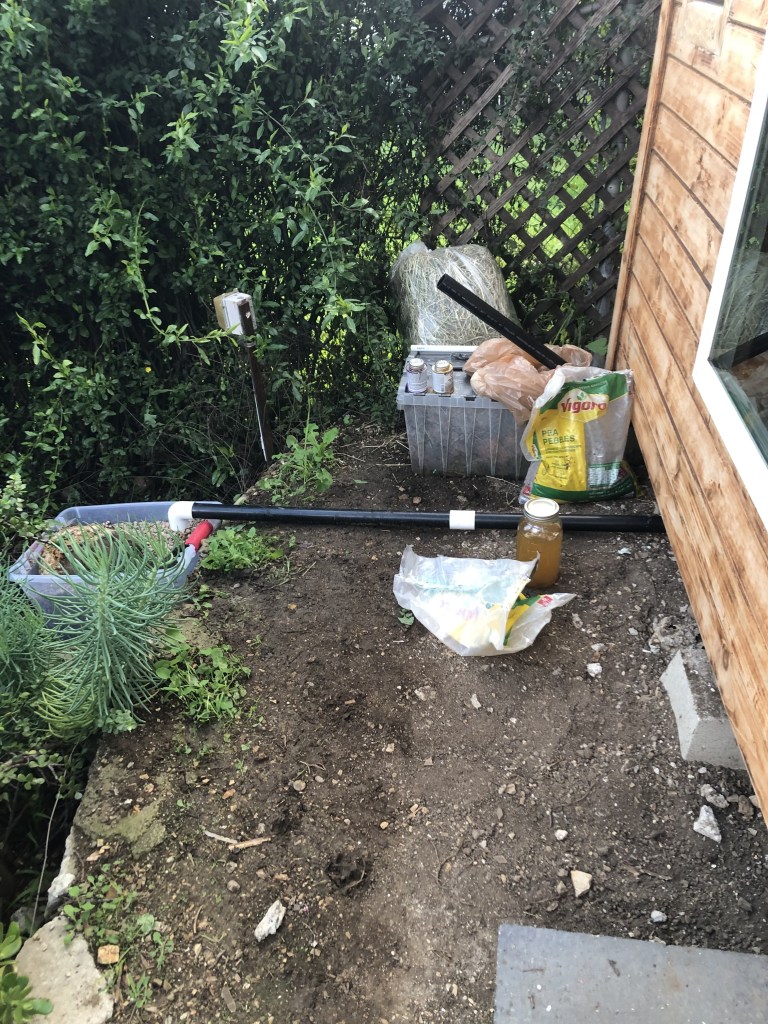
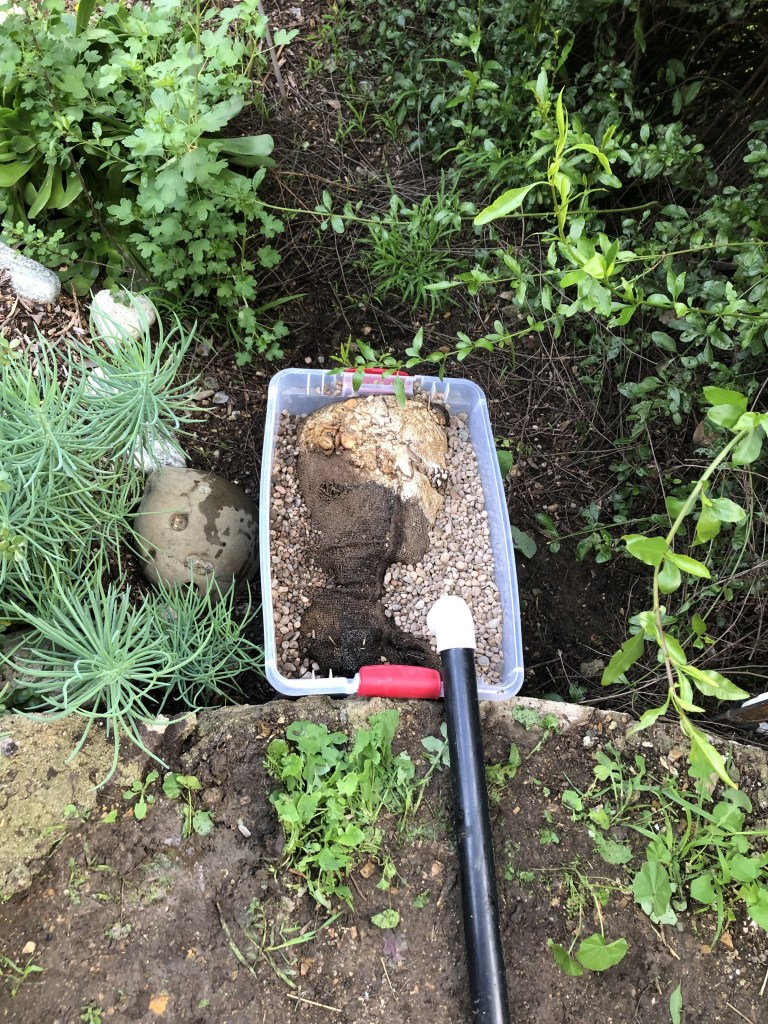
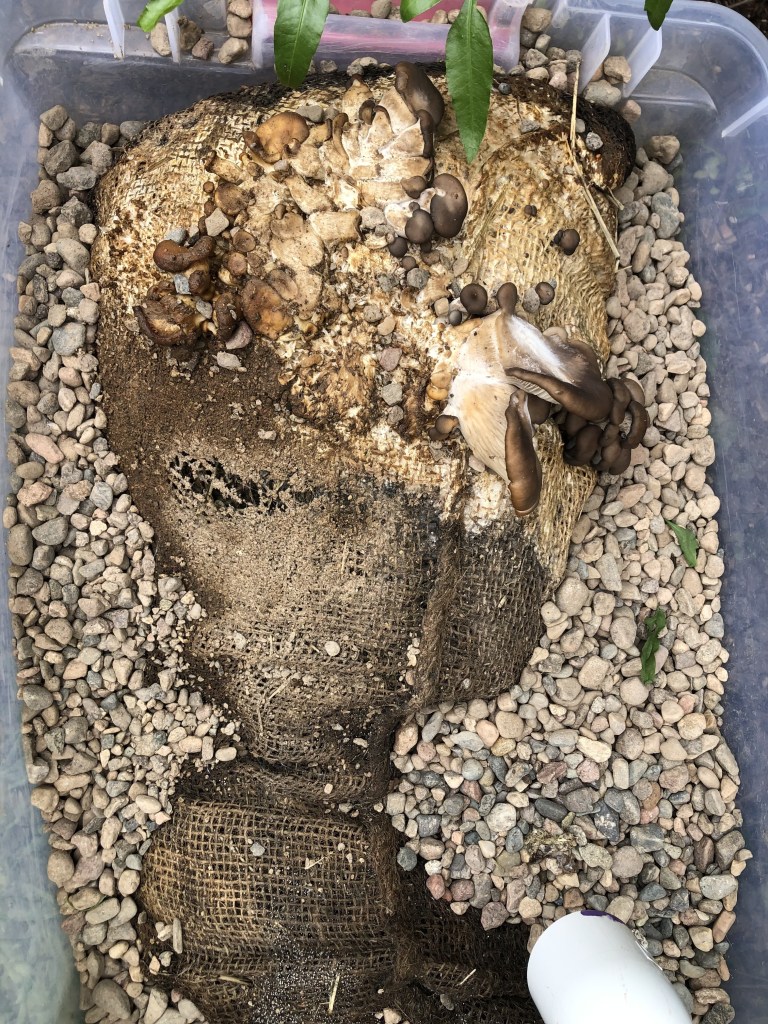
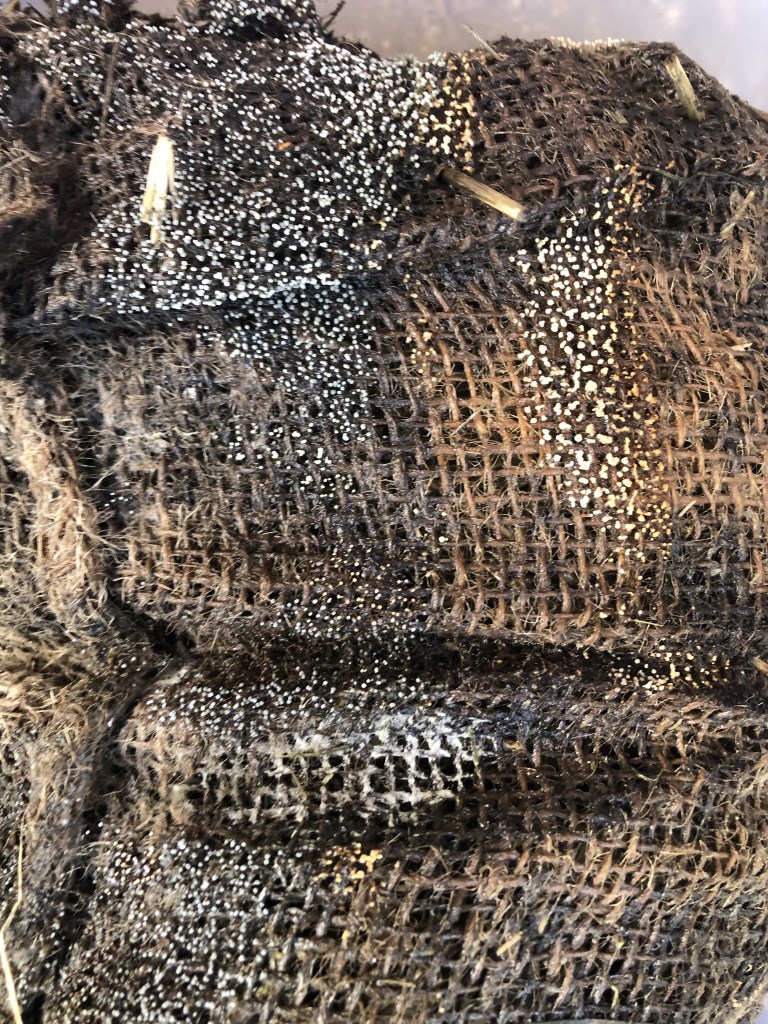
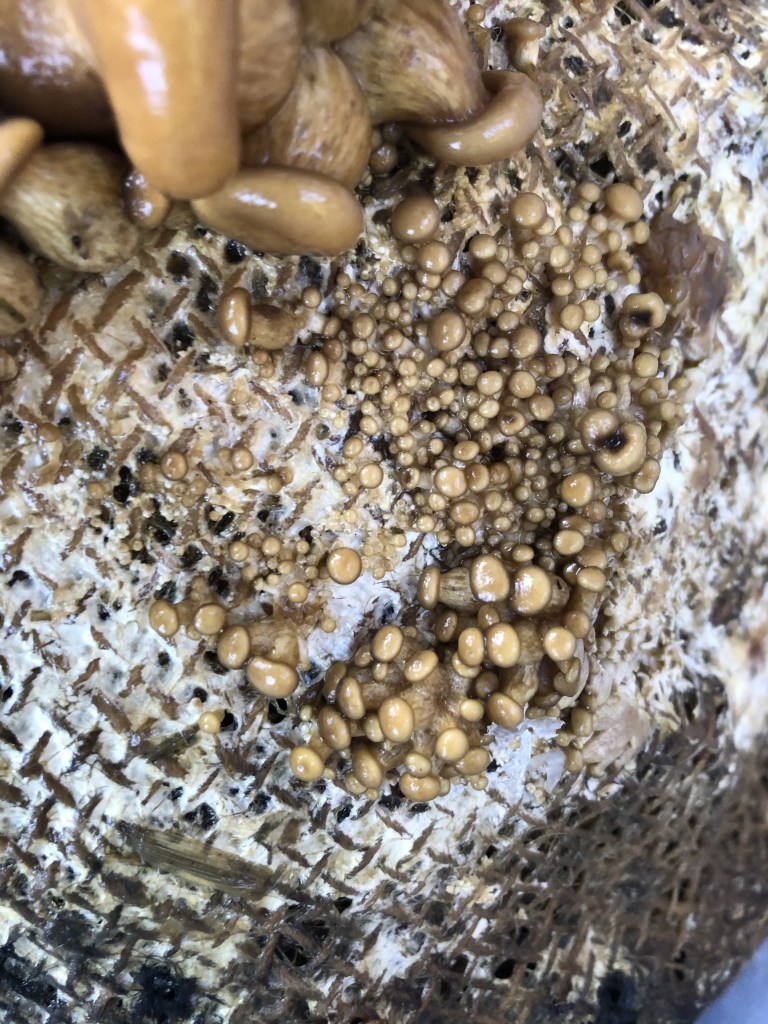
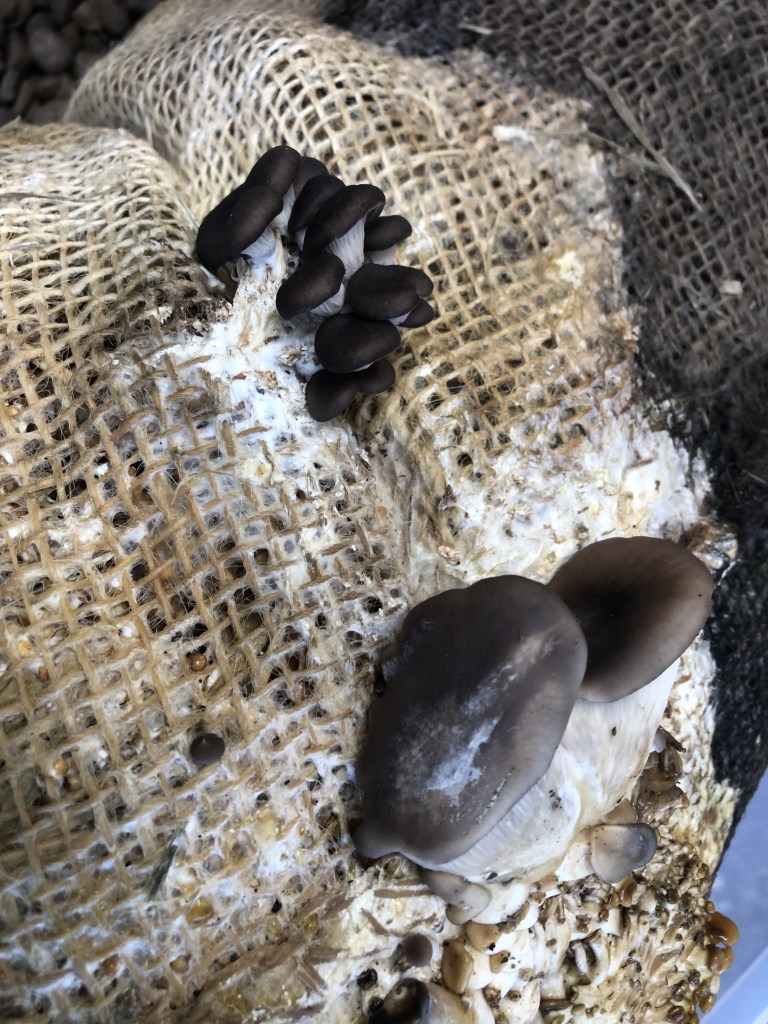
– Water Contamination – Pictures / Samples / Video
Water contamination in Los Angeles, like in many urban areas, can arise from various sources and contaminants. Common types of water contamination in Los Angeles may include:
1. **Urban Runoff Pollution:** Rainwater runoff from streets, parking lots, and other urban surfaces can carry pollutants such as oil, heavy metals, pesticides, and debris into water bodies.
2. **Industrial Discharges:** Some industrial activities may release contaminants into water sources. These contaminants can include chemicals, heavy metals, and other pollutants.
3. **Agricultural Runoff:** In areas surrounding Los Angeles with agricultural activities, runoff from fields may carry pesticides, fertilizers, and sediment into waterways.
4. **Wastewater Treatment Plant Discharges:** Although wastewater treatment plants treat sewage and other waste, there may be instances where treated effluent still contains residual contaminants.
5. **Groundwater Contamination:** Contamination of underground aquifers can occur due to industrial spills, leaking underground storage tanks, or improper disposal of hazardous materials.
6. **Naturally Occurring Contaminants:** Some areas may have naturally occurring contaminants in their water sources, such as high levels of minerals or elements like arsenic.
7. **Urban Infrastructure Aging:** Aging water infrastructure can contribute to water contamination. For example, deteriorating pipes may allow contaminants to enter the water supply.
8. **Microbial Contamination:** Bacteria, viruses, and other microorganisms can contaminate water sources, posing risks to public health. This can be a concern in areas with inadequate sanitation or issues with water treatment.
– Run-off disposal – Documentation / Picture / Video
The management of runoff in Los Angeles is a critical aspect of urban planning and environmental stewardship due to the region’s complex water infrastructure and susceptibility to droughts and flash floods. Runoff, which includes rainwater or water from irrigation, can carry pollutants and contribute to water quality issues if not properly managed. Here are some aspects of runoff disposal and management in Los Angeles:
1. **Stormwater Management Program:** Los Angeles, like many other cities, has a Stormwater Management Program to address runoff issues. The program aims to reduce pollution in stormwater runoff and protect water quality. It includes measures such as public education, regulatory compliance, and infrastructure improvements.
2. **Low Impact Development (LID):** LID practices focus on managing stormwater at its source. Examples include permeable pavement, green roofs, rain gardens, and other measures designed to mimic natural hydrological processes and reduce runoff.
3. **Urban Planning and Design:** City planners and developers in Los Angeles may incorporate sustainable design principles to minimize impervious surfaces, increase green spaces, and implement features that help manage stormwater on-site.
4. **Retention and Detention Basins:** Some areas use retention and detention basins to manage stormwater. Retention basins hold water permanently, while detention basins temporarily detain stormwater before slowly releasing it to prevent downstream flooding.
5. **Flood Control Channels:** Los Angeles has an extensive network of concrete-lined flood control channels designed to quickly move stormwater away from urban areas to prevent flooding. However, these channels can contribute to water pollution by quickly transporting pollutants to rivers and coastal areas.
6. **Regulations and Permits:** There are regulations in place to control stormwater runoff from construction sites and industrial facilities. The National Pollutant Discharge Elimination System (NPDES) permit program, administered by the EPA and the State Water Resources Control Board, sets guidelines for controlling stormwater runoff.
– Flooding / Disaster – Documentation / Dystopian Visualization
In a dystopian future scenario centered around water scarcity in Los Angeles, several grim consequences could unfold, impacting the environment, society, and daily life. Here’s a speculative narrative:
### Environmental Devastation:
1. **Dried Riverbeds and Lakes:** Iconic water bodies like the Los Angeles River and nearby lakes have turned into dry, cracked riverbeds. Once vibrant ecosystems have collapsed, leading to the extinction or severe decline of many species.
2. **Depleted Aquifers:** Over-extraction of groundwater has caused the depletion of aquifers beneath the city, leading to land subsidence and irreversible damage to underground water reserves.
3. **Intense Heatwaves:** With reduced green spaces and water bodies, the urban heat island effect intensifies. Los Angeles becomes notorious for scorching heatwaves, making outdoor activities dangerous and leading to increased health risks.
### Societal Disintegration:
1. **Mass Migration:** As water scarcity becomes more severe, a mass exodus of residents occurs, leaving the city uninhabitable. The influx of refugees strains neighboring regions and exacerbates social tensions.
2. **Conflict Over Resources:** The remaining water sources become fiercely contested. Armed conflicts arise between communities, and even factions within the city, vying for control over the scarce water supply.
3. **Social Inequality:** Those with financial means are able to secure access to private water sources, creating a stark divide between the wealthy elite who can afford water and the impoverished majority left to fend for themselves.
### Collapse of Infrastructure:
1. **Abandoned Skyscrapers:** Once thriving commercial districts are now desolate, with towering skyscrapers abandoned due to the inability to sustain basic services without adequate water.
2. **Failing Sanitation:** The lack of water compromises sanitation systems, leading to the outbreak of diseases. Public health deteriorates rapidly, and medical facilities struggle to cope with the surge in patients.
3. **Energy Crisis:** Hydropower generation becomes nearly non-existent, forcing the city to rely heavily on fossil fuels. The energy infrastructure becomes unreliable, resulting in frequent blackouts and further hampering essential services.
### Authoritarian Rule:
1. **Martial Law:** To maintain control amidst societal chaos, the government imposes martial law. Civil liberties are curtailed, and dissent is met with harsh penalties.
2. **Water Rationing:** The government enforces strict water rationing measures, determining who gets access to limited water supplies. The privileged few enjoy a semblance of normalcy, while the majority faces daily struggles for survival.
3. **Surveillance State:** In the name of resource management and social order, extensive surveillance systems are implemented to monitor the population, suppressing any signs of rebellion or dissent.
– Reclamation – Documentation / Future Thinking
Mycological applications for land and water reclamation in Los Angeles can provide sustainable and eco-friendly solutions to address environmental challenges. Fungi, particularly mycorrhizal and mycelium-forming species, can play crucial roles in improving soil health, remediating contaminants, and restoring ecosystems. Here are some mycological possibilities for land and water reclamation:
### Land Reclamation:
1. **Mycorrhizal Inoculation:** Mycorrhizal fungi form symbiotic relationships with plant roots, enhancing nutrient uptake. Inoculating degraded soils with mycorrhizae can improve plant growth, increase soil stability, and aid in the establishment of vegetation in barren areas.
2. **Soil Remediation:** Certain fungi, known as hyperaccumulators, have the ability to absorb and accumulate heavy metals from contaminated soils. Integrating these fungi into soil remediation strategies can help detoxify polluted areas.
3. **Biological Soil Crusts:** Fungi, along with bacteria and algae, can form biological soil crusts that stabilize soil, prevent erosion, and improve water retention. These crusts are particularly valuable in arid regions like Los Angeles.
### Water Reclamation:
1. **Fungi for Water Filtration:** Mycelium, the vegetative part of fungi, has a porous structure that can filter water. Using fungal mycelium mats in constructed wetlands or filtration systems can help remove pollutants and improve water quality.
2. **Bioremediation of Water Bodies:** Certain fungi have the ability to break down organic pollutants in water. Introducing these fungi to polluted water bodies can aid in the natural breakdown of contaminants.
3. **Mycofiltration in Stormwater Management:** Implementing mycofiltration systems in urban areas can help manage stormwater runoff. Mycelium acts as a natural filter, capturing pollutants and preventing them from entering waterways.
### Ecosystem Restoration:
1. **Mycelial Networks for Habitat Restoration:** Fungal mycelial networks can act as natural connectors in ecosystems, facilitating the establishment of plant communities. This is particularly useful in restoring habitats in urban areas.
2. **Mycorrhizal Applications in Urban Greening:** Incorporating mycorrhizal fungi into urban greening initiatives can enhance the resilience of planted trees and vegetation in city parks and green spaces.
### Community Engagement and Education:
1. **Mushroom Cultivation and Waste Management:** Community-based mushroom cultivation projects can turn organic waste into valuable resources. By educating communities about mycology and sustainable practices, there can be a dual benefit of waste reduction and local economic development.
2. **Mycology Workshops and Outreach Programs:** Engaging the community through workshops and outreach programs can raise awareness about the importance of fungi in ecological restoration and water management.
– Implementation – Mycofiltration in progress / stages + Auxiliary uses (Bioremediation)
Mycological bioremediation in Los Angeles could be implemented in various ways to address environmental issues and improve the health of ecosystems. Here are some theoretical implementations of mycological bioremediation in the context of Los Angeles:
### 1. **Soil Bioremediation in Brownfield Sites:**
#### Implementation:
– **Fungal Inoculation:** Introduce mycorrhizal fungi to brownfield sites. Mycorrhizae can enhance nutrient uptake in plants and improve soil structure.
– **Hyperaccumulator Fungi:** Employ hyperaccumulator fungi to absorb heavy metals from contaminated soils, detoxifying the land.
#### Benefits:
– **Soil Restoration:** Mycorrhizal fungi aid in soil restoration, promoting the growth of vegetation and preventing erosion.
– **Metal Detoxification:** Hyperaccumulator fungi contribute to the removal of heavy metals from the soil, making it suitable for plant growth.
### 2. **Constructed Wetlands for Stormwater Filtration:**
#### Implementation:
– **Mycelial Mats:** Use fungal mycelium mats in constructed wetlands along stormwater pathways.
– **Hydrocarbon-Degrading Fungi:** Introduce fungi with hydrocarbon-degrading capabilities to break down pollutants in stormwater.
#### Benefits:
– **Water Filtration:** Mycelium acts as a natural filter, capturing pollutants and improving water quality.
– **Hydrocarbon Remediation:** Fungi break down hydrocarbons, reducing the impact of urban runoff on water bodies.
### 3. **Urban Greening with Mycorrhizal Applications:**
#### Implementation:
– **Mycorrhizal Tree Planting:** Inoculate tree roots with mycorrhizal fungi during urban tree planting initiatives.
– **Community Gardens:** Establish community gardens with mycorrhizal-rich soils to enhance plant health.
#### Benefits:
– **Improved Plant Health:** Mycorrhizae enhance nutrient absorption, promoting healthier and more resilient urban vegetation.
– **Carbon Sequestration:** Increased plant health contributes to carbon sequestration, mitigating the urban heat island effect.
### 4. **Fungi for Oil Spill Remediation:**
#### Implementation:
– **Oyster Mushroom Cultivation:** Cultivate oyster mushrooms known for their hydrocarbon-degrading capabilities.
– **Deployment in Contaminated Areas:** Introduce mycelium and mushrooms to oil spill sites for remediation.
#### Benefits:
– **Hydrocarbon Breakdown:** Oyster mushrooms can break down petroleum hydrocarbons, aiding in the remediation of oil-contaminated areas.
– **Soil and Water Restoration:** Fungi contribute to the restoration of both soil and water quality in affected areas.
### 5. **Community-Based Mycoremediation Projects:**
#### Implementation:
– **Community Workshops:** Conduct workshops on mushroom cultivation, waste management, and mycoremediation.
– **Local Initiatives:** Encourage local communities to implement small-scale mycoremediation projects in vacant lots or community gardens.
#### Benefits:
– **Waste Reduction:** Turn organic waste into valuable resources through mushroom cultivation.
– **Local Economic Development:** Empower communities through education and involvement in sustainable mycoremediation practices.
### 6. **Education and Awareness Programs:**
#### Implementation:
– **School Programs:** Integrate mycology into school curricula, emphasizing the importance of fungi in environmental conservation.
– **Public Awareness Campaigns:** Conduct campaigns to inform the public about the benefits of mycological bioremediation.
#### Benefits:
– **Knowledge Transfer:** Educate the public about the role of fungi in environmental health.
– **Community Engagement:** Foster a sense of environmental stewardship and community involvement in sustainable practices.
These theoretical implementations of mycological bioremediation in Los Angeles aim to leverage the unique properties of fungi to address specific environmental challenges in the region. Collaborative efforts involving local communities, government agencies, and environmental organizations would be essential for the successful implementation of such initiatives.
Mycofiltration involves using fungi, typically mycelium (the vegetative part of fungi), to filter or remediate various environmental pollutants or contaminants. Fermentation, in the context of mycofiltration, is not the primary process; rather, it’s more accurate to describe the activity of the fungi as mycoremediation.
The primary purpose of mycofiltration or mycoremediation, facilitated by the metabolic activities of fungi, includes:
1. **Biodegradation of Contaminants:** Fungi, through their enzymatic activities, can break down and metabolize a wide range of organic and inorganic pollutants. This process can lead to the transformation of harmful substances into less toxic or non-toxic forms.
2. **Soil and Water Filtration:** The mycelium of certain fungi can form extensive networks that act as filters. These networks physically trap particles and absorb contaminants, contributing to the purification of soil and water.
3. **Nutrient Cycling:** Fungi play a role in nutrient cycling and can enhance the availability of essential nutrients in the environment. As they break down organic matter, they release nutrients back into the ecosystem.
4. **Bioremediation of Oil and Hydrocarbons:** Some fungi are known for their ability to degrade hydrocarbons, including oil and petroleum-based pollutants. Mycoremediation can be applied to areas affected by oil spills or contaminated with hydrocarbons.
5. **Metal Bioremediation:** Certain fungi can accumulate and immobilize heavy metals, reducing their bioavailability and preventing them from entering the food chain. This is particularly useful in areas with soil or water contamination from metals.
6. **Mycelial Mats for Filtration:** Fungal mycelial mats can be used as a physical barrier for filtering out contaminants. These mats create a network that helps in soil stabilization and erosion control.
The process of mycoremediation is generally considered environmentally friendly, as it utilizes the natural abilities of fungi to break down and transform pollutants. This contrasts with some traditional remediation methods that may involve the use of chemicals or other interventions with potential ecological consequences.
It’s important to note that the specific fungi used in mycoremediation can vary based on the type of contaminants being targeted. Different fungi have different metabolic capabilities, and researchers select species that are well-suited for the particular pollutants present in a given environment. The field of mycoremediation is still evolving, and ongoing research is exploring new applications and refining techniques for environmental cleanup.
Fungi, in general, are not known to exhibit magnetic properties. Fungi are eukaryotic organisms that belong to the kingdom Fungi, and they lack the specialized structures and properties associated with magnetism. Unlike some bacteria that have been found to align with magnetic fields, fungi do not have the biological structures that would allow them to respond to or generate magnetic fields.
Magnetism in living organisms is relatively rare and is typically observed in certain bacteria, such as magnetotactic bacteria. These bacteria have the ability to synthesize magnetic particles and use them to navigate along the Earth’s magnetic field lines. However, fungi, which include molds, yeasts, and mushrooms, do not possess this capability.
While fungi don’t exhibit magnetic properties, they are fascinating organisms with diverse ecological roles, and scientists continue to study various aspects of their biology, ecology, and potential applications in fields such as biotechnology and environmental science.
Some fungi are capable of generating and conducting electricity. This ability is primarily attributed to the presence of certain conductive materials within the fungal structure. The most well-known example of an electrically conductive fungus is the “black fungus” or “black yeast,” specifically the species *Geobacter sulfurreducens.*
*Geobacter sulfurreducens* is a type of fungus that can produce electrically conductive filaments known as “nanowires.” These nanowires allow the fungus to transfer electrons over relatively long distances. The phenomenon of electrical conductivity in fungi has attracted attention for its potential applications in various fields, including bioenergy and environmental monitoring.
Researchers are exploring the possibility of harnessing the electrical conductivity of fungi for practical purposes, such as:
1. **Bioenergy Production:** Some studies investigate the use of electrically conductive fungi in microbial fuel cells, where microorganisms generate electricity through the transfer of electrons to an electrode.
2. **Bioremediation:** Electrically conductive fungi might be employed in environmental cleanup processes, such as the removal of pollutants from soil or water.
3. **Biosensors:** The ability of certain fungi to conduct electricity is being explored for the development of biosensors that can detect specific substances or environmental conditions.
It’s important to note that while some fungi have been found to exhibit electrical conductivity, not all fungi possess this capability. The study of electrically conductive fungi is an active area of research, and scientists are continually uncovering new information about the mechanisms and potential applications of fungal electricity.
Some plants are capable of conducting electricity to varying degrees. The electrical conductivity in plants is primarily associated with their vascular system, particularly the xylem, which is responsible for transporting water and nutrients from the roots to other parts of the plant.
The xylem vessels in plants are tubular structures that are essentially dead at maturity, and they consist of lignin-rich cell walls. Lignin is a complex organic polymer that provides structural support and rigidity to the cell walls. The lignified cell walls of xylem vessels can act as conduits for electrical signals and facilitate the movement of ions.
Plants use electrical signals for various physiological processes, including responding to environmental stimuli, transmitting information within the plant, and coordinating growth and development. This electrical conductivity is not the same as the generation of electrical power, as seen in some electrically conductive fungi, but it plays a crucial role in plant function.
A well-known example of electrical conductivity in plants is the phenomenon of action potentials. Action potentials are rapid changes in electrical potential that can propagate along the cells of the plant, allowing for the transmission of signals.
In recent years, researchers have also explored the potential use of plants for bioelectronics applications. Some studies have investigated the use of plants as living sensors or biohybrid systems that can interface with electronic devices.
While plants are not typically harnessed for large-scale electrical power generation, understanding the electrical properties of plants has implications for fields such as plant physiology, bioelectronics, and environmental monitoring. The study of electrically conductive plants is an evolving area of research with ongoing discoveries and applications.
 m-b
m-b 